
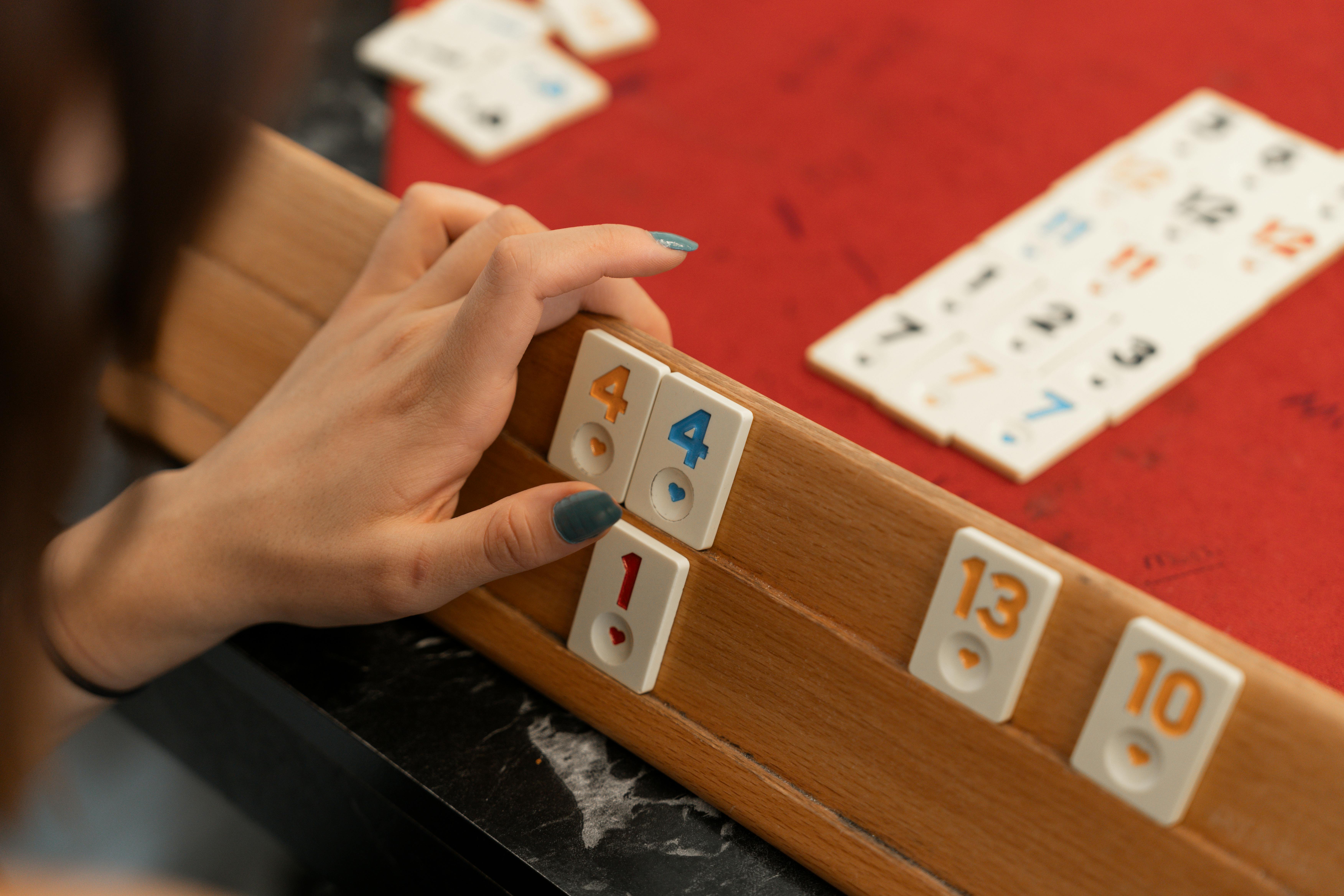
The unit in which a strategy game advances, whether a discrete turn or continuous time, determines what kind of skill it measures. The choice shapes the entire design.
Turns separate thinking from doing
When the game waits, a player can consider every option without cost, and the quality of the decision is all that matters.
Execution speed becomes irrelevant, which broadens who can play well and makes the game accessible to players who reason well but act slowly.
It also permits far greater complexity, because a player has unlimited time to understand a position that would be unreadable under time pressure.
Real time makes attention a resource
In continuous play, a player cannot attend to everything at once, so choosing what to ignore becomes a genuine strategic decision.
Splitting attention between an attack and an economy is a skill the turn-based version does not test, because there is no cost to switching focus.
This is why real-time designs limit complexity deliberately. Systems that reward careful reading are wasted when nobody has time to read them.
Simultaneous turns combine both
Some designs let all players plan at once and then resolve everything together, which removes waiting while preserving deliberation.
Because orders are given without knowing the opponent's, the format introduces prediction: a player must anticipate rather than react.
The resolution rules become critical, since the game must decide what happens when two players attempt incompatible actions in the same instant.
Turn length governs how much can change
A turn representing a long period allows large developments between decisions, so a player's plan must survive a great deal of intervening change.
Short turns keep the position close to what the player evaluated, which rewards precise sequencing over broad planning.
Grand strategy games sit at one extreme and tactical games at the other, and the difference in feel comes largely from this single parameter. Changing it forces a redesign of everything measured in turns, including production times, movement ranges and how long an effect lasts.
Multiplayer exposes the trade sharply
Turn-based multiplayer requires players to wait while others think, which scales poorly and is why many such games use timers.
A timer reintroduces the pressure the format existed to remove, converting a deliberative game into one where slow reasoning is penalised.
This tension explains why turn-based strategy remains predominantly a single-player and asynchronous form, while real-time designs dominate competitive play.