
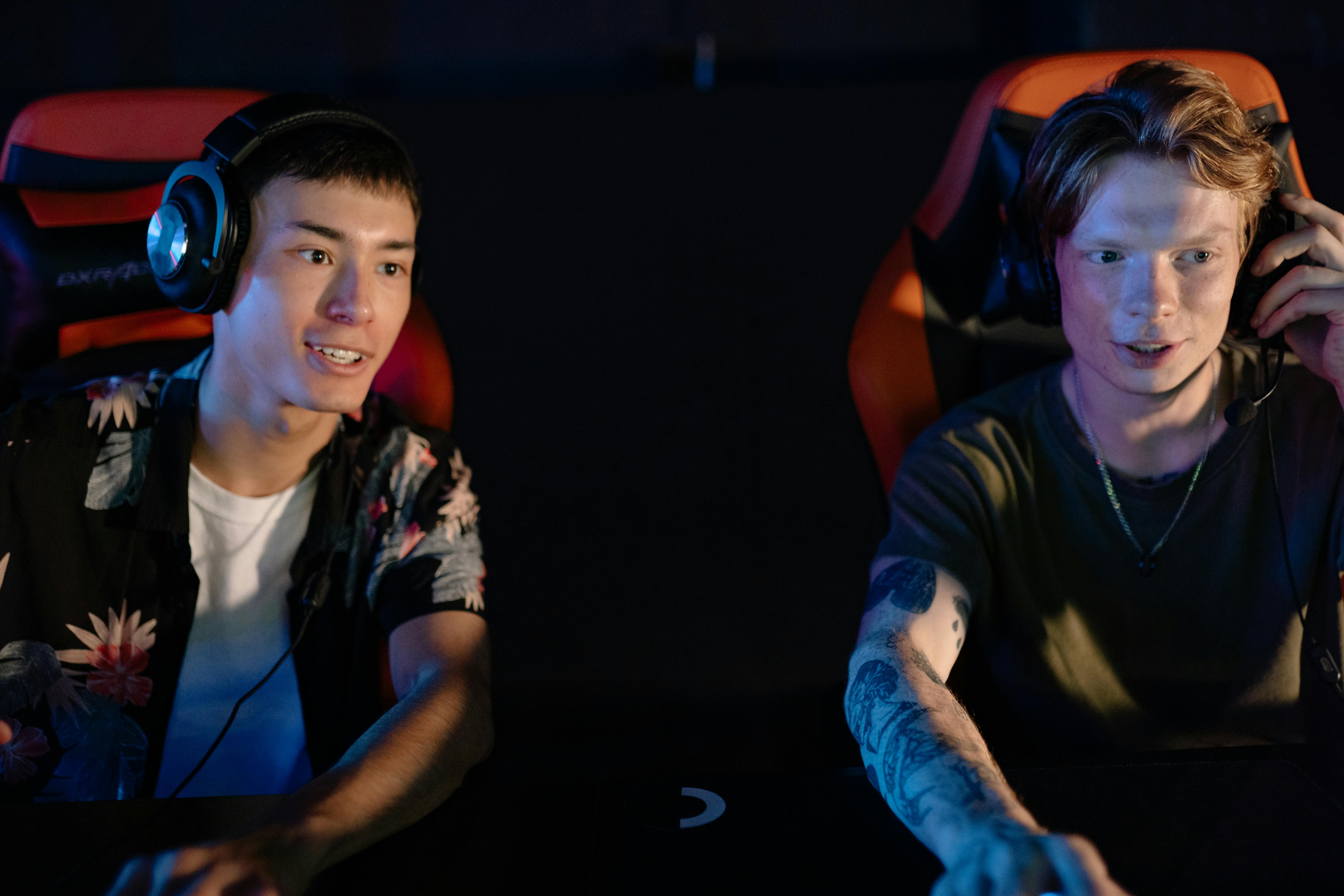
Watching an esports match means watching a stream of camera decisions made in real time by people the audience never sees. Observing is a distinct production role with its own skill set.
Every match has more action than screen
A competitive match involves ten or more players acting at once across a map, and only one viewpoint can be shown at a time. Something is always being missed.
The observer decides what that something is. Following the player about to make a decisive move produces a coherent broadcast, while following the wrong one produces confusion when the result appears.
Traditional sports have a physical ball to anchor coverage. Most esports have no equivalent object, so the anchor has to be chosen from context.
Anticipation is the actual skill
Cutting to a fight after it starts is too late. Experienced observers watch map information, resources and rotations to predict where contact will happen a few seconds ahead.
That requires the observer to understand the game at a level near the competitors, since the cues are the same ones players read.
It also requires restraint. Constant cutting to show everything leaves viewers unable to follow anything, so good observing holds a shot long enough for the moment to land.
The commentary team depends on the feed
Commentators describe what is on screen. If the observer cuts away mid-explanation, the analysis collapses and the broadcast sounds disorganized even when both roles are performing well.
Production crews solve this with communication, typically a talkback channel where observers signal upcoming cuts and commentators signal that they need a shot held.
On large broadcasts a director sits above both, sequencing observer feeds with replays, statistics overlays and player cameras into one output.
Delay is what makes observing possible
Broadcasts run behind live play, which exists mainly to prevent competitive information leaking to players. That buffer also gives the production room to work.
Within the delay, replays of a kill or a decisive engagement can be cut and inserted without missing ongoing action, because the live feed is still ahead of the audience.
Without a buffer, every replay would cost the viewer whatever happened while it played, which is why unbuffered community streams feel choppier than league productions.
Titles differ in how observable they are
Some games expose rich spectator tooling, including free cameras, player statistics, and overlays that show resources or cooldowns. Others offer little beyond what a player sees.
That tooling gap shapes which titles broadcast well. A game with weak spectator support requires more work from observers and still produces a less legible show.
Developers who take competition seriously build the spectator layer alongside the game, because a match no one can follow will not build an audience regardless of how good the play is.