
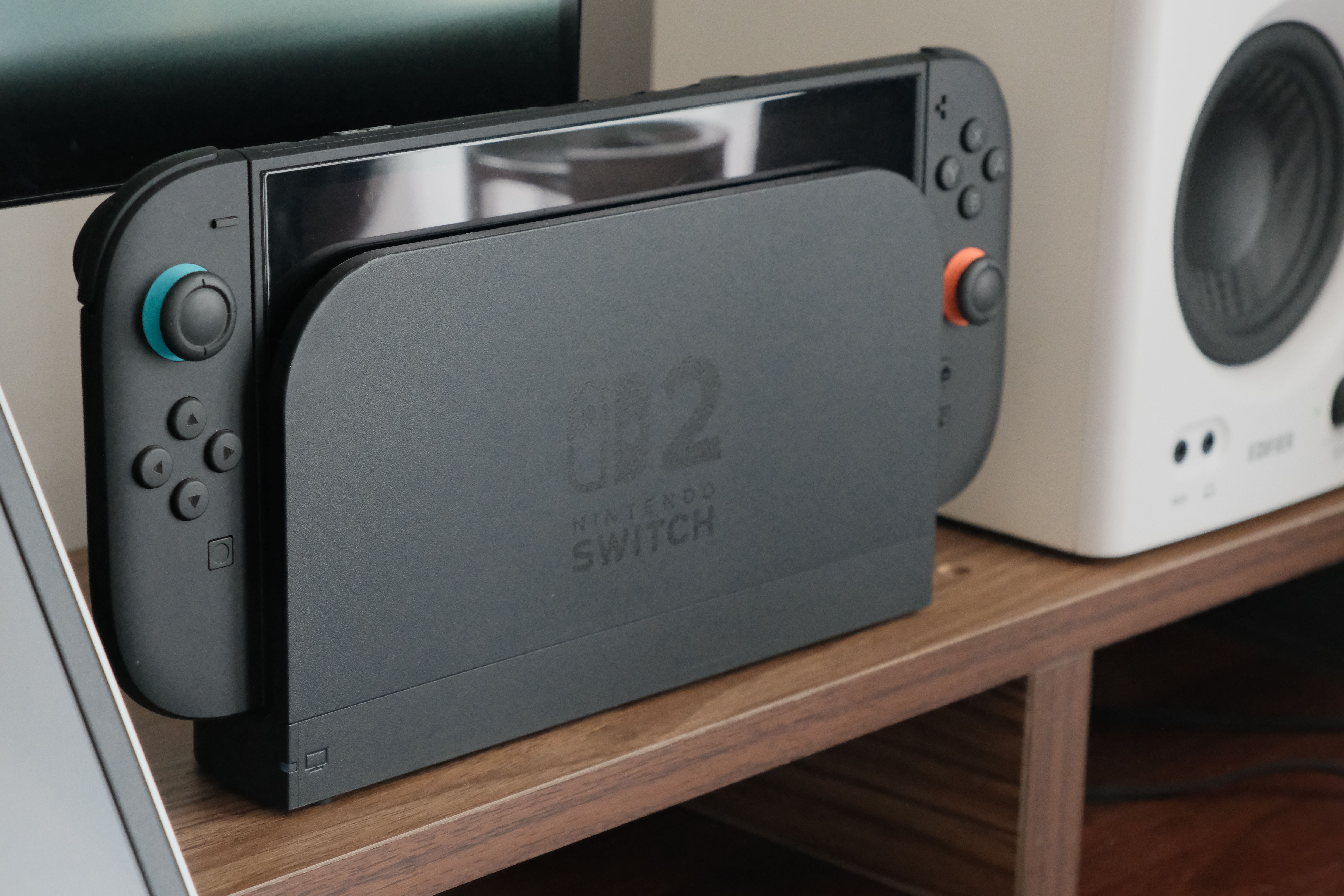
You thought you knew who won. You spent years debating, defending your chosen plastic box, convinced your team had the superior exclusives, the better graphics, the loyal fanbase. You were wrong. The truth about the Console Wars isn't just uncomfortable; it's a gut punch that exposes the cynical reality of modern gaming. Your passion, your loyalty, your hard-earned cash – it all played right into the hands of a victor you never even saw coming. Prepare to have your gaming world turned upside down.
🔥 What's Happening Right Now
For decades, the "Console Wars" were the very fabric of the gaming universe. PlayStation versus Xbox. Nintendo lurking with its own unique charm. It was a rivalry that fueled passionate debates, ignited forums, and shaped purchasing decisions for generations of gamers across the United States. We clung to our chosen platform, championing its exclusives, its graphical prowess, its online services. We believed in a clear winner, a company that would emerge victorious, holding the crown of the gaming world.
But here's the uncomfortable truth: those wars are over. And the victor isn't Sony, Microsoft, or Nintendo in the way you think. The battlefield has shifted, the rules have changed, and the real winner is a shadowy entity that has quietly siphoned away your attention, your time, and your money without you even realizing it. The traditional console market, while still significant, is no longer the sole arbiter of gaming power or profit.
Look around you. What defines modern gaming in the US? It's not just the latest PlayStation 5 or Xbox Series X title. It's the ubiquitous presence of mobile gaming, a colossal industry that dwarfs console sales in both revenue and player count. It's the relentless grind of free-to-play giants like Fortnite, Call of Duty: Warzone, and Apex Legends, where the game itself is free, but the true cost lies in battle passes, cosmetic skins, and microtransactions that fund multi-billion dollar empires. It's the quiet revolution of cloud gaming, promising access to high-fidelity experiences without expensive hardware. It's the inescapable pull of subscription services, demanding a monthly fee for access to vast libraries of games.
The console manufacturers themselves have had to adapt, blurring the lines of exclusivity and embracing cross-platform play. PlayStation titles appear on PC. Xbox's strategy is centered around Game Pass, a subscription service that transcends its own hardware. Nintendo, ever the outlier, thrives on unique experiences that defy direct comparison. This isn't a sign of one console winning; it's a sign of the console itself becoming just one piece of a much larger, more fragmented, and ultimately, more monetized puzzle.
The "winner" isn't a console; it's the ecosystem. It's the platform that can capture your attention for the longest, convince you to spend repeatedly, and integrate seamlessly into your digital life. It's the model that prioritizes recurring revenue over one-time purchases. This shift has profound implications for every gamer in America, dictating not just what we play, but how we play, how much we pay, and where our loyalties are truly being directed.
💡 Financial Impact
If you want to understand who *really* won the Console Wars, follow the money. And what you'll find isn't just surprising; it's a stark revelation about the true power brokers in today's gaming landscape. The era of buying a console, a few games, and being done with it is largely over. We've entered the age of sustained engagement and recurring revenue, and this is where the real fortunes are being made.
Consider the staggering financial muscle of companies whose names rarely topped the traditional Console Wars debates. Tencent, a Chinese conglomerate, holds stakes in Epic Games (Fortnite), Riot Games (League of Legends, Valorant), and countless other studios, generating astronomical profits through microtransactions and mobile gaming. Epic Games, valued in the tens of billions, built its empire not on console sales, but on the free-to-play model of Fortnite and its ubiquitous Epic Games Store. Roblox, a platform primarily driven by user-generated content and in-game purchases, commands a market capitalization that rivals established gaming giants.
Even the traditional console players have had to pivot dramatically. Microsoft's Xbox division isn't just selling consoles; it's selling Game Pass Ultimate, a subscription service that bundles hundreds of games, cloud streaming, and Xbox Live Gold for a monthly fee. This is a direct play for recurring revenue, transforming gamers from one-time customers into loyal subscribers. Sony has followed suit with its revamped PlayStation Plus tiers, offering similar value propositions. Nintendo, while retaining its unique hardware focus, also heavily leverages its online subscription service and a robust market for digital game sales and DLC.
The financial impact on the average US gamer is undeniable. We are no longer just buying games; we are buying seasons, battle passes, cosmetic bundles, virtual currency, and expansions. The initial $60-$70 price tag for a new AAA game often pales in comparison to the hundreds, if not thousands, of dollars players invest over the lifespan of a live-service title. This model ensures a constant flow of cash for publishers and developers, but it also creates a sense of "subscription fatigue" and an ever-increasing demand on our wallets.
Furthermore, the rise of powerful gaming PCs and the Steam platform, with its massive library, frequent sales, and modding communities, has quietly siphoned off a significant portion of the high-end gaming market. Cloud gaming services, while still maturing, represent another threat to traditional hardware sales by offering accessibility without the upfront cost. The "winner" in this financial landscape is the entity that can effectively monetize your time, your engagement, and your desire for digital self-expression, regardless of the hardware you choose to play on.
💰 Best Options in Comparison
Given this seismic shift in the gaming landscape, how should a savvy gamer navigate the options available today? The old loyalties are obsolete; what truly matters is value, experience, and where your money is best spent. Here's a look at the leading contenders, not as warring factions, but as different approaches to accessing the games you love:
| Platform/Option | Initial Cost | Ongoing Cost/Monetization | Game Library & Exclusives | Target Audience/Best For | The "Real Winner" Perspective |
|---|---|---|---|---|---|
| Dedicated Console Gaming (PS5, Xbox Series X/S, Switch) | High ($300-$500+) | Game purchases ($60-$70 per new AAA), online subscriptions ($60-$80/year), microtransactions, DLC. | Strong exclusives (e.g., God of War, Halo, Zelda), large third-party libraries. | Gamers seeking curated, high-fidelity experiences with simplified setup; those loyal to specific franchises. | The console maker's *ecosystem* (PSN, Xbox Live, Nintendo eShop) for recurring digital sales and subscriptions. |
| High-End PC Gaming | Very High ($1000-$3000+ for a powerful rig) | Game purchases (often cheaper than console on sale), free-to-play monetization, hardware upgrades. No mandatory online subscription. | Largest overall library (Steam, Epic Games Store, GOG), best graphics/performance, vast modding communities, many console exclusives eventually port. | Enthusiasts prioritizing performance, graphical fidelity, flexibility, and a massive game selection. | Digital storefronts (Steam, Epic Games Store) and hardware manufacturers (Nvidia, AMD, Intel) who benefit from constant upgrades and game sales. |
| Mobile Gaming (Smartphones, Tablets) | Moderate (Cost of smartphone/tablet, often already owned) | Primarily free-to-play with extensive microtransactions, ad monetization, battle passes, gacha mechanics. Some premium titles. | Billions of games, casual to hardcore, hyper-accessible. | Casual gamers, those seeking quick sessions, or players deeply invested in specific F2P titles. | Mobile platform holders (Apple, Google) and publishers of F2P games (Tencent, Activision Blizzard, Playrix) who master in-app purchases and ad revenue. |
| Cloud Gaming Services (Xbox Cloud Gaming, GeForce Now, Luna) | Low (Subscription fee, internet connection) | Monthly subscription fee ($10-$20/month), often requires owning games on other platforms (e.g., Steam library for GeForce Now). | Depends on the service; often a rotating library or access to your existing library. No true exclusives. | Gamers with limited hardware, those prioritizing accessibility across devices, or testing games before purchase. | Internet Service Providers (ISPs) and the cloud infrastructure providers (Microsoft Azure, Amazon AWS) that power these services. |
| Multi-Platform Subscription Ecosystems (Game Pass Ultimate, PS Plus Premium) | Moderate (Monthly/annual subscription, often combined with console) | Monthly subscription fee ($15-$20/month), still encourages game purchases for titles not in service. | Hundreds of games, new releases often included, classic libraries. | Value-conscious gamers, those who play a wide variety of titles, or who want to try games without full purchase. | The platform holder (Microsoft, Sony) for locking in recurring revenue and fostering brand loyalty across diverse gaming habits. |
Conclusion
The Console Wars, as we understood them, are decisively over. The fierce battles over polygon counts, exclusive titles, and fan loyalty have given way to a new, more complex, and frankly, more cynical reality. The traditional console manufacturers are no longer fighting each other for outright dominance; they are fighting for a piece of your monthly budget, your screen time, and your digital identity within their sprawling ecosystems.
The true victors are not a single company or a specific piece of hardware. They are the overarching models that prioritize recurring revenue: subscription services, free-to-play games bolstered by microtransactions, and the digital storefronts that facilitate constant spending. The companies that have mastered the art of extracting continuous value from their player base, often across multiple platforms including mobile and PC, are the ones quietly accumulating unprecedented wealth and influence.
So, the next time you jump into your favorite game, take a moment to consider where your money is truly going. Is it just for the fun of the game, or is it feeding a larger machine designed to keep you engaged and spending? The Console Wars didn't end with a clear winner holding a trophy. They ended with the realization that the game itself has changed, and the real power lies not in the box under your TV, but in the intricate web of services, subscriptions, and monetization strategies that now define the modern gaming experience. Your loyalty, once a badge of honor, has become a valuable commodity in this new era.