
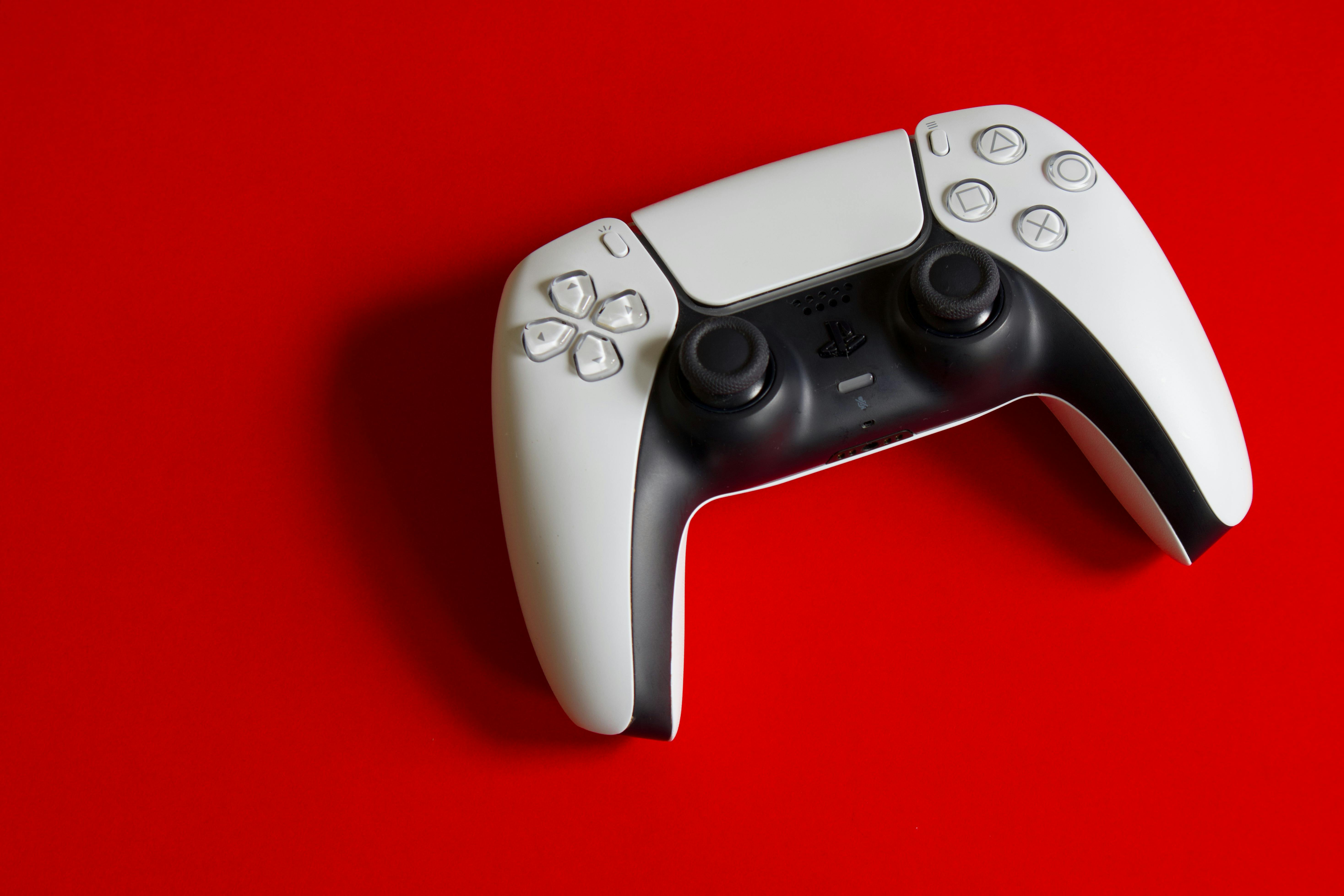
Hold onto your controllers, because what you're about to read will fundamentally change how you think about gaming. For decades, the ritual was sacred: save up, buy a console, wait for games to download, upgrade every few years. But a silent revolution has been brewing, and it's not just shaking the foundations of the gaming world – it's utterly demolishing them. Your beloved PS5 and Xbox are about to become relics, and the reason why is so profound, so utterly inevitable, you won't believe you didn't see it coming sooner. The future of gaming isn't in a box under your TV; it's everywhere, instantly, and it's already here.
🔥 What's Happening Right Now
The air is thick with anticipation for the next big console drop, the whispers of PS6 or the next Xbox iteration echoing through forums. Yet, a seismic shift has already occurred, largely unnoticed by the mainstream, but felt profoundly by those plugged into the technological vanguard. Game streaming, once a niche curiosity plagued by latency and limited libraries, has quietly matured into a powerhouse, delivering an experience that not only rivals but, in many crucial ways, surpasses traditional console gaming. We're not just talking about a new way to play; we're witnessing the full-blown obsolescence of an entire hardware paradigm.
The "why now?" question is multifaceted. Firstly, the exponential leap in internet infrastructure, particularly the widespread rollout of 5G across the US, has obliterated the latency barriers that once crippled cloud gaming. What was once a choppy, frustrating experience is now buttery smooth, often indistinguishable from local play, especially for the vast majority of casual and even mid-core gamers. Data centers are closer, network speeds are faster, and compression algorithms are smarter, creating a seamless bridge between powerful server farms and your device, wherever you are.
Secondly, the cultural shift towards subscription models has paved the way for acceptance. From Netflix to Spotify, Americans are already accustomed to paying a recurring fee for instant access to vast libraries of content. Gaming is simply the next logical frontier. Why pay $500+ for a console, then $70 per game, when a monthly fee can unlock hundreds of titles, accessible on the devices you already own? This isn't just convenience; it's a fundamental re-evaluation of value in the digital age. The friction of ownership – the storage, the downloads, the physical discs – is being replaced by the fluid ease of access.
Major players are already fully invested. Microsoft's Xbox Cloud Gaming, integrated into Game Pass Ultimate, is a formidable force, allowing subscribers to stream a rotating library of hundreds of Xbox titles directly to phones, tablets, PCs, and even smart TVs. NVIDIA's GeForce NOW transforms virtually any device into a high-end gaming PC, leveraging its powerful server-side GPUs to stream top-tier PC titles you already own from platforms like Steam and Epic Games Store. PlayStation Plus Premium offers a similar cloud streaming tier for a selection of its vast back catalog. Amazon Luna, while still finding its footing, adds another significant contender to the mix. These aren't beta tests; these are robust, commercially viable services that are rapidly expanding their reach and capabilities.
The implications are staggering. No more waiting for downloads or installations. No more worrying about console generations or hardware upgrades. Your gaming library travels with you, accessible on your phone during a commute, on your laptop at a coffee shop, or on your smart TV in the living room – all without ever touching a physical console. This is the ultimate democratization of high-fidelity gaming, breaking down barriers of entry and opening up immersive experiences to billions who might never have justified the cost of a dedicated gaming machine. The console era isn't just dying; it's being gracefully, and irrevocably, absorbed into the cloud.
💡 Financial Impact
The death of the console era, driven by the ascendancy of game streaming, isn't just a technological shift; it's a monumental financial upheaval that will redefine market dynamics for consumers, developers, and hardware manufacturers alike. For too long, the gaming industry has operated on a model of planned obsolescence and high upfront costs. Game streaming shatters this model, ushering in an era of accessibility and recurring revenue that holds profound implications for everyone involved.
For the consumer, the immediate financial relief is palpable. The average cost of a current-generation console hovers around $500-$600, a significant barrier for many households. Add to that the cost of individual games, often $60-$70 each, and the investment quickly spirals into four figures. Game streaming flips this script entirely. For a monthly subscription fee, typically ranging from $10-$20, consumers gain access to vast libraries of games, eliminating the need for expensive hardware and individual game purchases. This isn't just a saving; it's a complete restructuring of the gaming budget, making premium gaming experiences available to a much broader demographic, particularly in the US where discretionary income is often allocated carefully. The shift from "ownership" to "access" means less clutter, fewer depreciating assets, and more liquid cash in the consumer's pocket.
From an industry perspective, the financial impact is equally transformative. Hardware manufacturers like Sony and Microsoft, who have historically relied on razor-thin margins (or even losses) on console sales, hoping to recoup through software and service sales, will need to pivot dramatically. Their focus will increasingly shift from selling physical boxes to building out robust cloud infrastructure and compelling subscription services. The battleground moves from silicon chips to server farms and exclusive content libraries. This means massive investments in data centers, networking technologies, and content acquisition, but also the promise of more stable, predictable recurring revenue streams rather than boom-and-bust cycles tied to console launches.
Game developers stand to gain immensely from this paradigm shift. The barrier to entry for players is drastically lowered, meaning a potentially massive expansion of the addressable market. Games that might have struggled to find an audience on a single console platform can now reach millions of subscribers across diverse devices. This opens up new monetization strategies beyond traditional upfront sales, including in-game purchases, battle passes, and even direct revenue sharing models with streaming platforms. Developers can focus more on creating innovative content and less on optimizing for specific hardware configurations, knowing their games can be streamed from powerful, standardized cloud servers. Furthermore, the analytics derived from streaming services provide invaluable data on player engagement, helping to refine game design and future content strategies.
Beyond the core gaming industry, the ripple effect extends to internet service providers (ISPs), smart TV manufacturers, and even accessory makers. ISPs will see increased demand for higher bandwidth connections, driving further infrastructure investment. Smart TV manufacturers will integrate streaming services directly, making their devices central entertainment hubs without the need for external boxes. Accessory makers will focus on universal controllers and peripherals compatible across multiple streaming platforms. The financial ecosystem of gaming is becoming more interconnected, more distributed, and ultimately, more expansive, fueled by the relentless march of cloud technology and the consumer's insatiable demand for instant, affordable entertainment.
💰 Best Options in Comparison
Navigating the burgeoning landscape of game streaming services can feel overwhelming, but understanding the key players and their unique offerings is crucial to making an informed choice. Each service caters to slightly different needs and preferences, offering varying game libraries, performance tiers, and device compatibility. Here's a breakdown of the leading contenders, helping you decide which platform best aligns with your gaming habits and budget, effectively replacing the need for a traditional console.
For those seeking the ultimate flexibility and access to their existing PC game libraries, NVIDIA GeForce NOW stands out. It's not a game library in itself but a powerful virtual gaming rig that streams your purchased PC games from platforms like Steam, Epic Games Store, and Ubisoft Connect. Xbox Cloud Gaming (part of Game Pass Ultimate) offers a vast, curated library of Xbox titles, including day-one access to first-party Xbox exclusives, making it a compelling option for those who want a "Netflix for games" experience. PlayStation Plus Premium integrates cloud streaming for a selection of classic and older PlayStation titles, appealing to long-time PlayStation fans and those looking to explore its rich history. Finally, Amazon Luna provides a unique channel-based subscription model, offering a rotating selection of games across various genres.
Below is a comparative table to help you visualize the strengths and weaknesses of each major cloud gaming service, focusing on aspects critical for US consumers:
| Service | Primary Focus | Game Library | Pricing (US) | Max Resolution/FPS | Device Compatibility | Key Differentiator |
|---|---|---|---|---|---|---|
| NVIDIA GeForce NOW | Stream PC games you own | Access to ~1500+ PC titles from Steam, Epic, etc. | Free Tier (1hr sessions); Priority ($9.99/mo); Ultimate ($19.99/mo) | Up to 4K/120fps (Ultimate) | PC, Mac, Android, iOS (Safari), Smart TVs, Chromebooks, SHIELD TV | Uses your existing PC game library; highest performance tiers |
| Xbox Cloud Gaming | Stream Xbox Game Pass titles | 400+ Xbox Game Pass titles (first-party exclusives day one) | Included with Xbox Game Pass Ultimate ($16.99/mo) | 1080p/60fps | PC, Mac (browser), Android, iOS (browser), Smart TVs, Xbox consoles | Deep integration with Xbox ecosystem; vast, curated game library |
| PlayStation Plus Premium | Stream classic & older PS titles | Hundreds of PS1, PS2, PS3, PS4 titles (streaming only for PS3) | $17.99/mo (highest tier) | Up to 1080p/60fps | PS4, PS5, PC (app) | Access to a rich legacy of PlayStation games; some downloadable PS4/PS5 titles |
| Amazon Luna | Channel-based subscription | Varies by channel (Luna+, Ubisoft+, Jackbox, Retro, etc.) | Luna+ ($9.99/mo); other channels priced separately | 1080p/60fps | Fire TV, Fire tablets, PC, Mac, Android, iOS (browser), Samsung Smart TVs | Unique channel model; integration with Twitch; flexible content selection |
When considering your options, think about your existing game library. If you've invested heavily in PC games, GeForce NOW is a no-brainer. If you want instant access to a "Netflix-style" library with new releases, Xbox Cloud Gaming is incredibly compelling. PlayStation Plus Premium caters to console loyalists looking to revisit classics, while Amazon Luna offers a modular approach to content. Regardless of your choice, each of these services represents a definitive step away from the console-bound past and a leap into the limitless future of gaming.
Conclusion
The message is clear, resounding, and undeniable: the console era, as we've known it, is over. The days of hefty upfront investments, physical media, and restrictive hardware cycles are rapidly fading into the annals of gaming history. What was once the pinnacle of home entertainment – a dedicated box under your TV – is now an increasingly cumbersome and expensive relic in a world that demands instant access, ultimate flexibility, and undeniable value. Game streaming isn't just an alternative; it is the evolution, the natural progression of an industry always striving for greater immersion and accessibility.
We've explored the technological breakthroughs, like widespread 5G and advanced cloud infrastructure, that have made this revolution possible. We've delved into the profound financial implications, demonstrating how streaming liberates consumers from exorbitant costs while opening up vast new revenue streams for developers and platforms. And we've laid out the best options available today, proving that high-fidelity gaming is no longer confined to a single device or a specific brand, but is instead an omnipresent, fluid experience available to anyone with an internet connection.
Forget the endless debates over console exclusives or graphical horsepower. The true battleground has shifted to the cloud, where convenience, affordability, and sheer breadth of content reign supreme. The future of gaming is here, and it's not a box you buy; it's a service you subscribe to, a world you instantly access, and an experience that travels with you, everywhere. Embrace the change, because the consoles you once cherished are now just a nostalgic memory. The game has truly changed.